



Writing an awesome article is a hard task.
Optimizing it to deliver results is even harder.
On one side, you’ve done your keyword research, written your article, hit the word count you were aiming for, and sorted out your title, description and everything else SEO-related.
But on the other side, you have to make this content appealing to your readers, not just to robots.
Even if you are not promoting anything, a well-structured article makes your readers’ lives easier and keeps them on the page longer.
A quick correction to something this post used to say, by the way: styling your content does not “improve your bounce rate for SEO”. Google has said plainly that it doesn’t use analytics bounce rate as a ranking signal, and Google Analytics 4 doesn’t even report bounce rate the way Universal Analytics did – it measures engaged sessions instead. The real benefit is simpler and more honest: readers who can find what they came for click more, buy more and come back. That’s worth doing for its own sake.
So how do you increase CTR (click-through rate) without much effort?
Here are a few tips you can apply in your next post and see the results right away.
1. Custom Targeted Sidebar
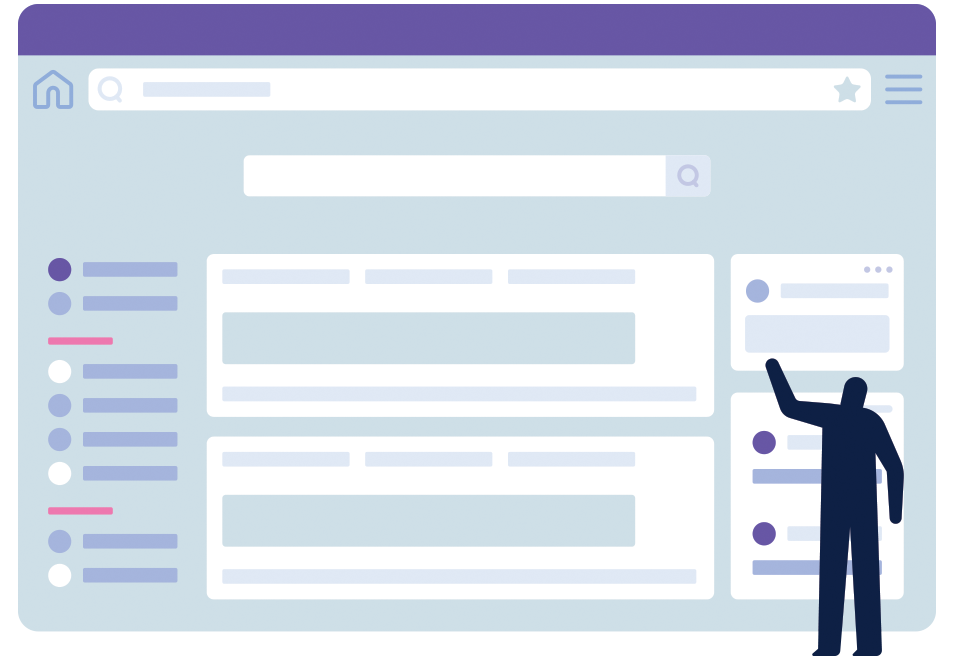
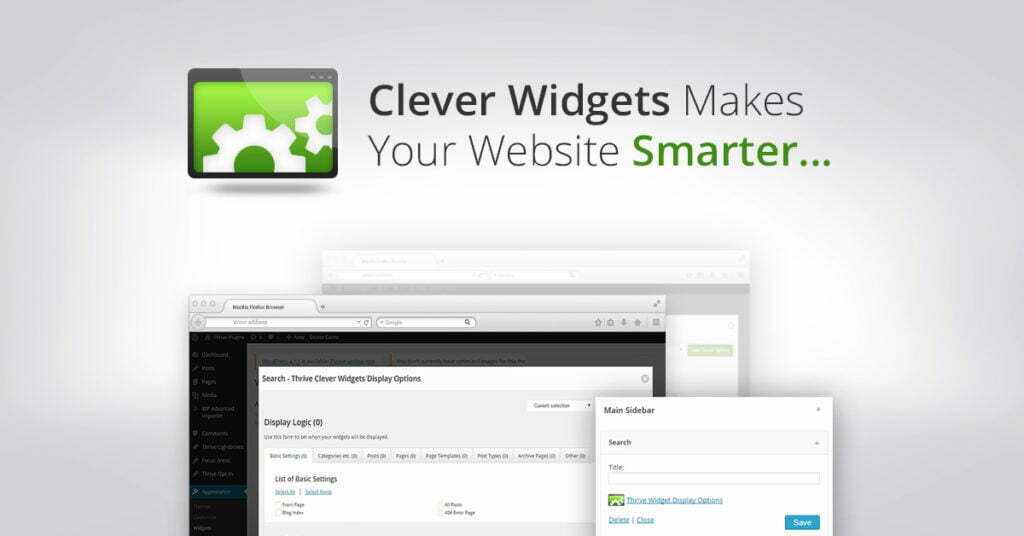
Don’t just use one sidebar with the same widgets on all your posts. You have to know your content and what can relate to it in terms of ads or additional content.
For example, if you write about speeding up page load time, a good idea would be to add a hosting ad banner.
If you have an older article about the best fast-loading themes, or any other tips about speeding up a website, add a related posts custom widget and select only those posts.
Make your Sidebar Sticky
Letting your sidebar scroll along with the reader is one of the cheapest CTR wins there is – your best-performing widget stays on screen for the whole article instead of disappearing after the second paragraph.
This used to need a plugin (I recommended Q2W3 Fixed Widget here for years – it still works, but it hasn’t been updated since early 2023). Today every browser supports position: sticky, so you can do it with three lines in Appearance > Customize > Additional CSS:
.sidebar .widget:last-child {
    position: sticky;
    top: 30px;
}
Swap .sidebar for whatever your theme calls its sidebar container, and make sure the sticky widget is the last one in the list so it doesn’t overlap the ones below it.
2. Add colored boxes to emphasize the valuable information
Your blog post is not a book, and you have to put in the effort to make the important stuff stand out.
Users typically scroll through your page searching for the right information at the speed of light, and if you can’t highlight it, you’ll most likely lose them.
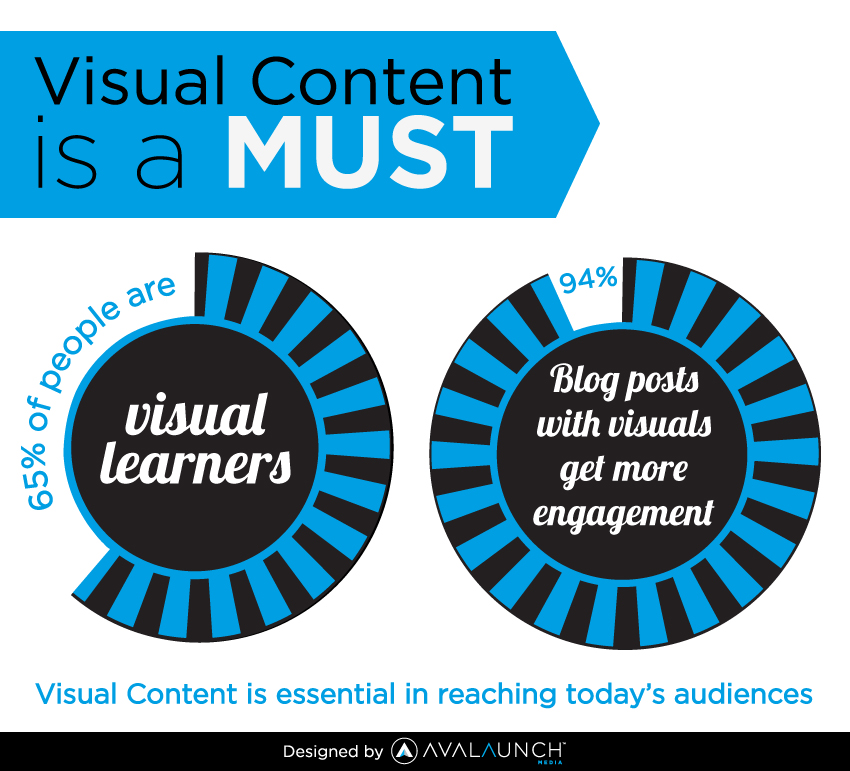
Web content keeps shifting towards video and graphics, and it seems the tendency will hold for years to come.
 The old-fashioned text article has to turn into an appealing, well-structured visual article if it wants to survive in this new web era.
One warning from experience, since I’ve since made this mistake myself: build these boxes with the block editor’s own Group block and a background colour, or with plain HTML and CSS. Don’t build them with a shortcode plugin. Shortcodes are tied to the plugin that created them, and when that plugin gets abandoned – which happens more often than you’d think – every box on your site turns into a line of raw text like [box bg_color="#f7f7f7"] in the middle of your article. Blocks and HTML degrade gracefully. Shortcodes don’t.
3. Customize your Anchor Texts for better CTR
Your links are the bridges that carry your readers to the place you’re trying to send them.
Make sure you get the most out of your anchor texts in terms of styling. You don’t need to go too fancy – just make sure your links stand out from your static text.
Colour alone isn’t enough, though. Roughly one in twelve men has some form of colour vision deficiency, and a link that’s only distinguishable by hue is invisible to them. Keep the underline, or add weight – it costs you nothing and it’s one of the easiest accessibility wins on a blog.
If you want to go the extra mile, look for some custom CSS tricks on codepen.io.

4. Use ‘Hotspot Images’ instead of your regular images
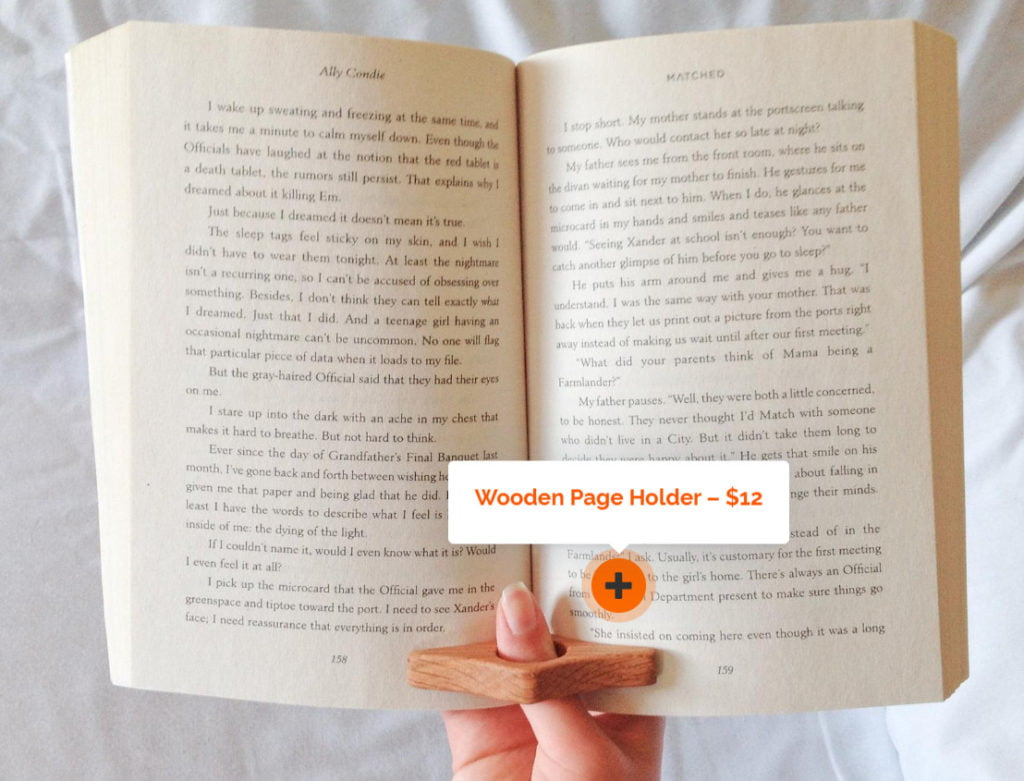
This one can turn your boring product images into eye-catching elements, which could lead to more clicks.
Thanks to the block editor, this is easier than ever.
The example in the image above comes from the free plugin Getwid Blocks, which is still maintained and sits at around 50,000 active installs.
You can change the size, colour, icon, add a description, and of course set a link on each hotspot.
Do check how it behaves on a phone before you publish. Hotspots depend on hover, and hover doesn’t exist on touchscreens – if the marker needs two taps to reveal its text, most mobile readers will never see it.
5. Give long posts a Table of Contents
This wasn’t in the original version of this post and it’s probably the highest-value item on the list now.
A table of contents at the top of a long article does two jobs at once. For the reader, it turns a wall of text into a menu – they jump straight to the section they came for instead of bouncing back to the search results. For you, those jump links sometimes show up directly in Google as sub-links under your result, which quietly increases the click-through rate of the listing itself.
You don’t need a plugin if you’re on a reasonably modern theme – the block editor generates heading anchors for you. If you’d rather it be automatic, LuckyWP Table of Contents is the one I use on this site, and Rank Math ships a TOC block too if it’s already installed.
The rule of thumb: over roughly 1,500 words, or more than five sections, add one.
6. Turn your most important link into a button
An inline text link in the middle of a paragraph gets a fraction of the clicks that the same link gets as a button on its own line. Readers scan for shapes before they read words, and a button is a shape that says “this is the thing to click”.
One button per section, at the point where the reader has just been convinced – not five stacked at the bottom. And label it with what happens next: “Download the free plugin” beats “Click here” every time, because the reader knows what they’re getting before they commit.
The core Buttons block handles this without any plugin at all.
Bottom Line
These are all quick fixes you can apply to your posts right away. Know your content and your readers, so you can increase their engagement and deliver valuable information with every blog post.
‘Playing’ with your content can be a time-consuming task, but at the end of the day, that’s what separates your blog from all the others in the same niche.
Make the effort to style your copy and put thought into it while you’re writing. In the long run, this will result in a more engaged audience, better CTR, and ultimately more profit for you.
Disclosure: Some of the links on the page may contain a ref code (affiliate links), that tells the other side that we have sent you. If you liked what we suggest and you make a purchase, we may receive a commission.
